Kō Site
国府遺跡
Advendus estimate 20–30 min
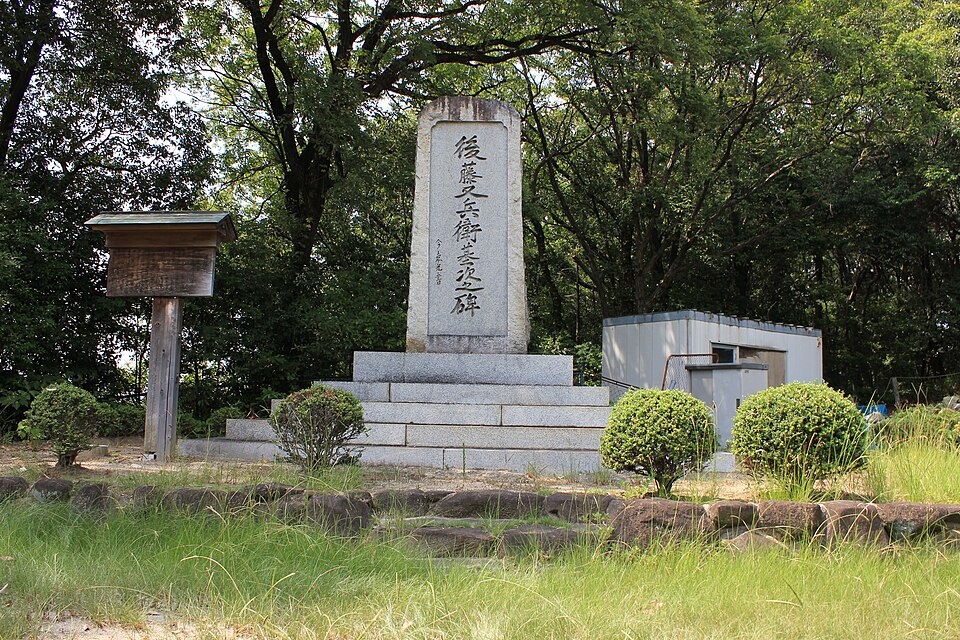
Kō Site is a heritage site in Japan that offers a quick look at thousands of years of human activity.
It was designated a National Historic Site of Japan in 1974.
The site yielded stone tools that may date to the Japanese Paleolithic period.
The discovery of characteristic knife-shaped stone tools confirmed the site as Paleolithic.
Upper layers contain human bones from the Jōmon and Yayoi periods.
The site has salt-making pottery from the Kofun period.
It includes the remains of a Buddhist temple built in the Asuka period.
The uppermost layers contain remains from the Nara period provincial capital of Kawachi Province.
Excavations have uncovered shards of porcelain and glazed pottery from the Nara period.
A part of the site is currently maintained as a park.