Gyeongbokgung
경복궁
Advendus estimate 15–25 min
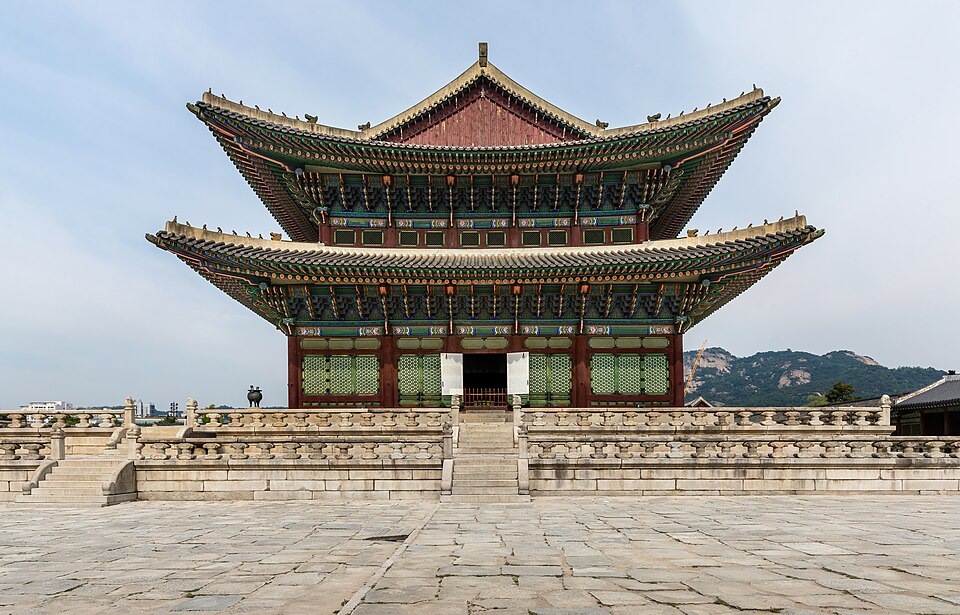
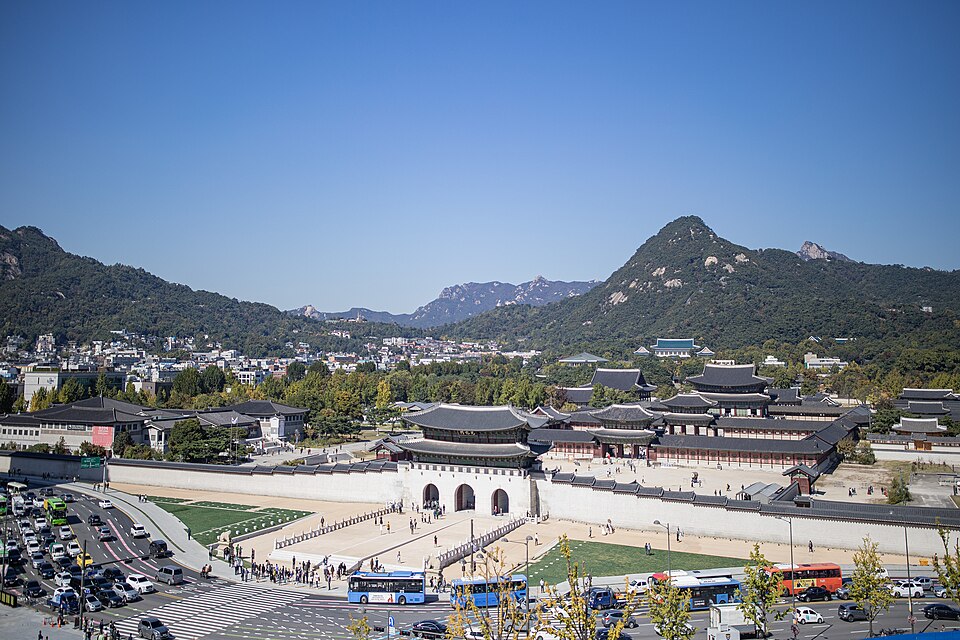
Gyeongbokgung is a historic building in South Korea that serves as a designated historic site.
Located in Jongno District, it was established in 1395 as the first royal palace of the Joseon dynasty.
The palace was among the first landmarks established in Seoul.
Sejong the Great led the creation of the native Korean script Hangul at this location.
The complex was completely burned down during the Imjin War in 1592.
Restoration occurred during the reign of the penultimate monarch Gojong in the late 19th century.
Japan systematically demolished and altered the palace as a symbol of the Korean monarchy's authority.
By the 1945 liberation of Korea, only 40 pre-colonial buildings remained.
Modern-style colonial buildings, such as the Government-General of Chōsen Building, were established within the palace grounds.
The 1990–2010 First Gyeongbokgung Restoration Plan resulted in the recreation of dozens of buildings.
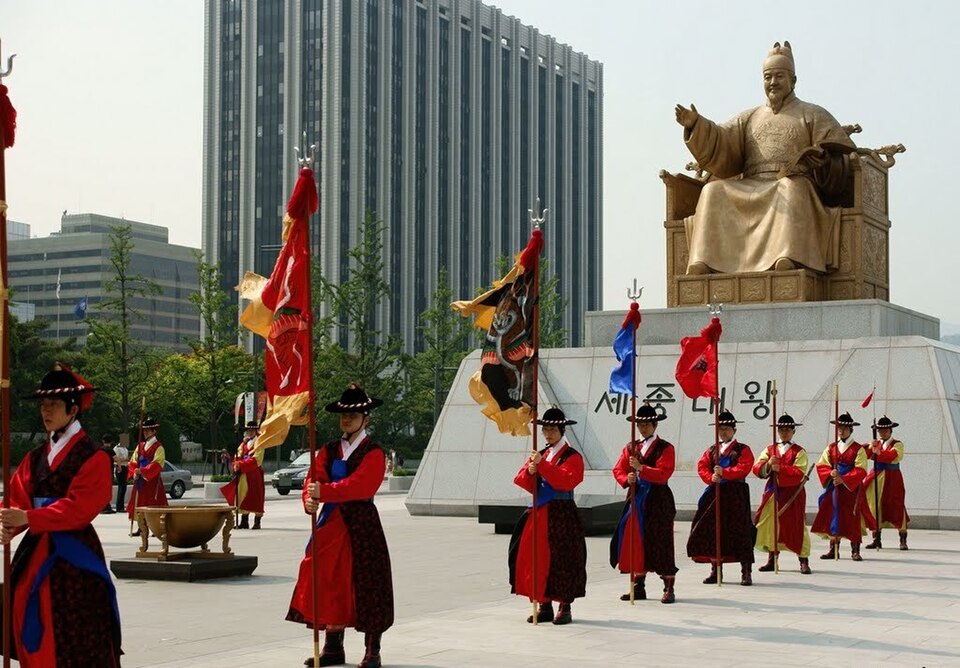
The site hosts a changing of the guard ceremony twice per day.
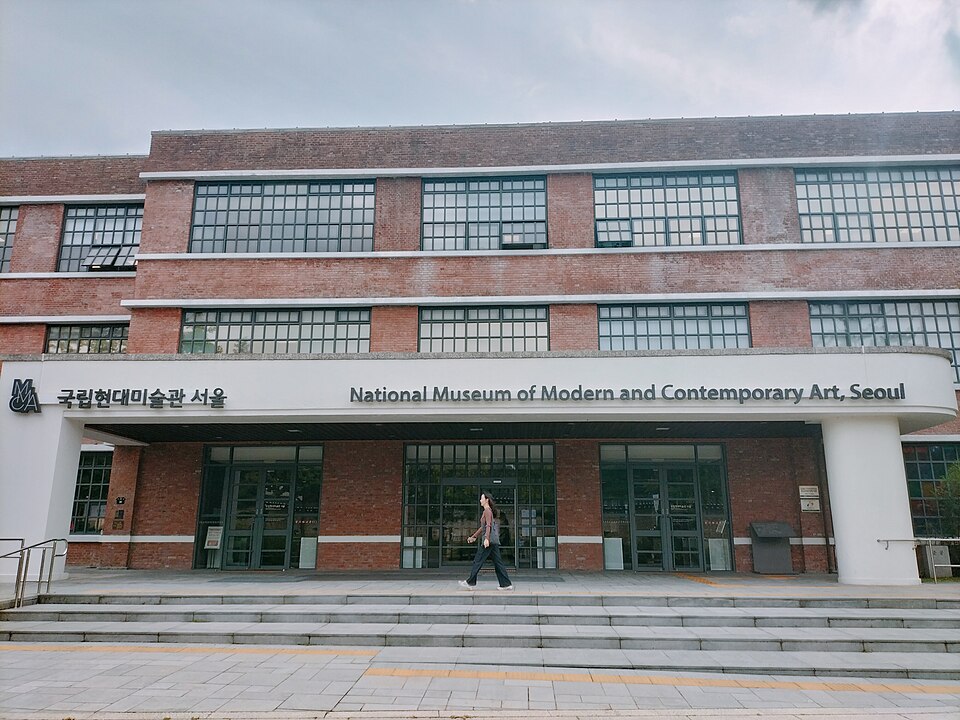
It contains the National Folk Museum of Korea and the National Palace Museum of Korea.
Entrance is free for visitors wearing hanbok.
The palace was named by Chŏng Tojŏn around the time of its establishment.
Practical info
Jan-Feb,Nov-Dec 09:00-17:00; Mar-May,Sep-Oct 09:00-18:00; Jun-Aug 09:00-18:30
Official websiteCheck hours before visiting