Gyeonghuigung
경희궁
Advendus estimate 15–25 min
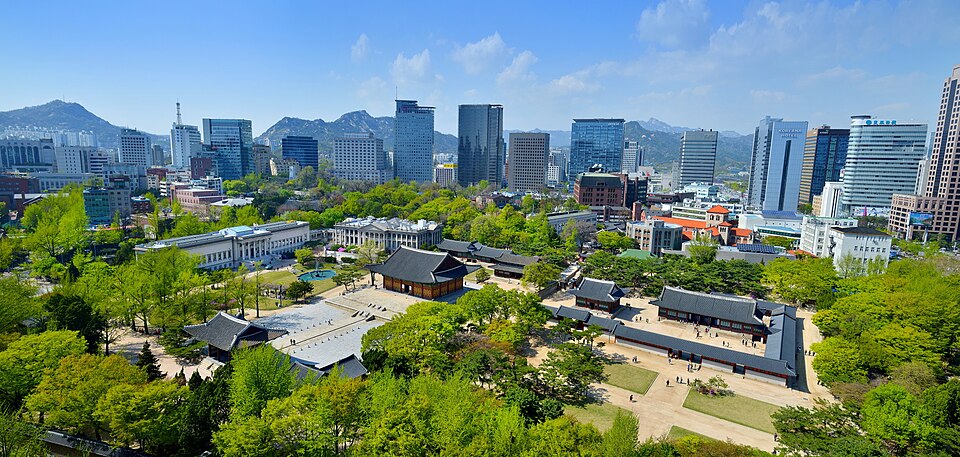
Gyeonghuigung is a historic building in South Korea that served as a secondary palace for the Joseon Dynasty.
It is one of the "Five Grand Palaces" built by the Joseon Dynasty.
Construction began in the 1600s during the reign of King Gwanghaegun.
Originally named Gyeongdeokgung, it was also known as Seo-gwol because of its location on the west side of Seoul.
The site functioned as a refuge for the king during emergencies, hosting about ten kings of the Joseon dynasty.
At its peak, the complex contained 100 buildings.
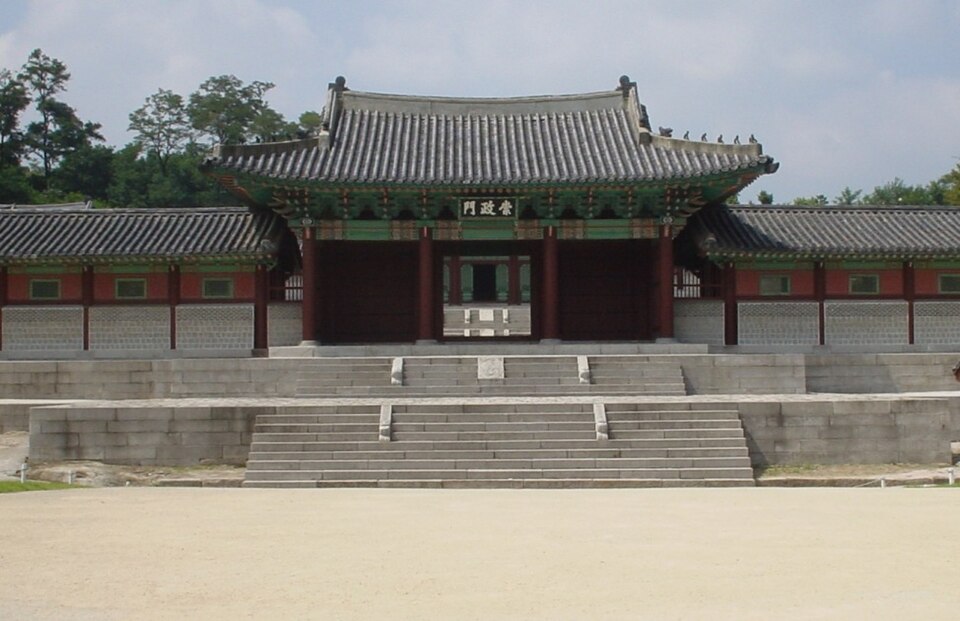
Sungjeongjeon, the main hall, is considered an example of mid-Joseon period architecture.
Sungjeongjeon and Jajeongjeon were used for royal audiences.
Visitors enter through Heunghwamun, the main entrance door, passing over Geuncheongyo bridge.
The grounds today include the Seoul Museum of History and the Seoul Museum of Art.