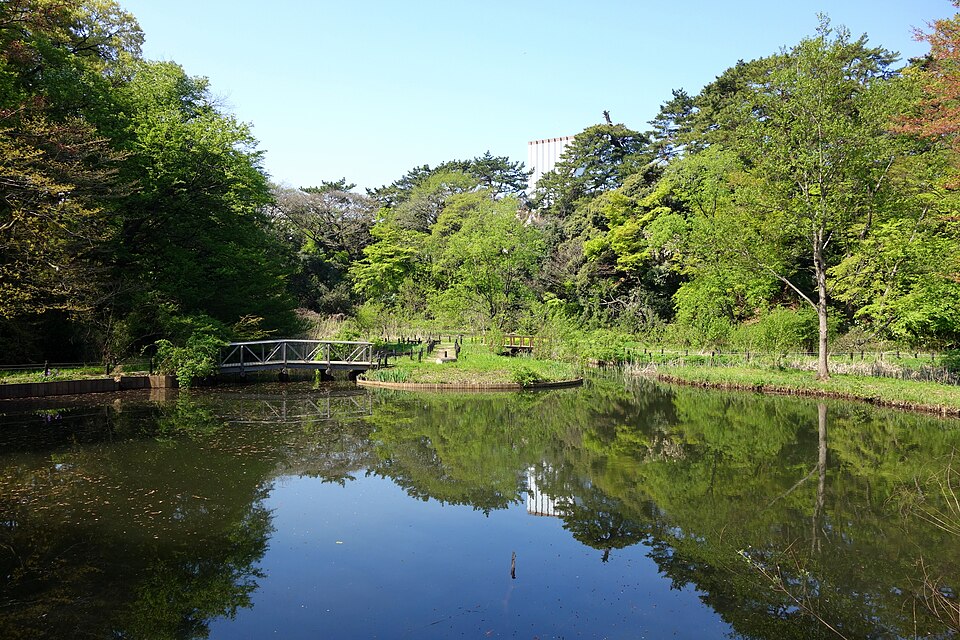
Institute for Nature Study
国立科学博物館附属自然教育園
Advendus estimate 15–30 min
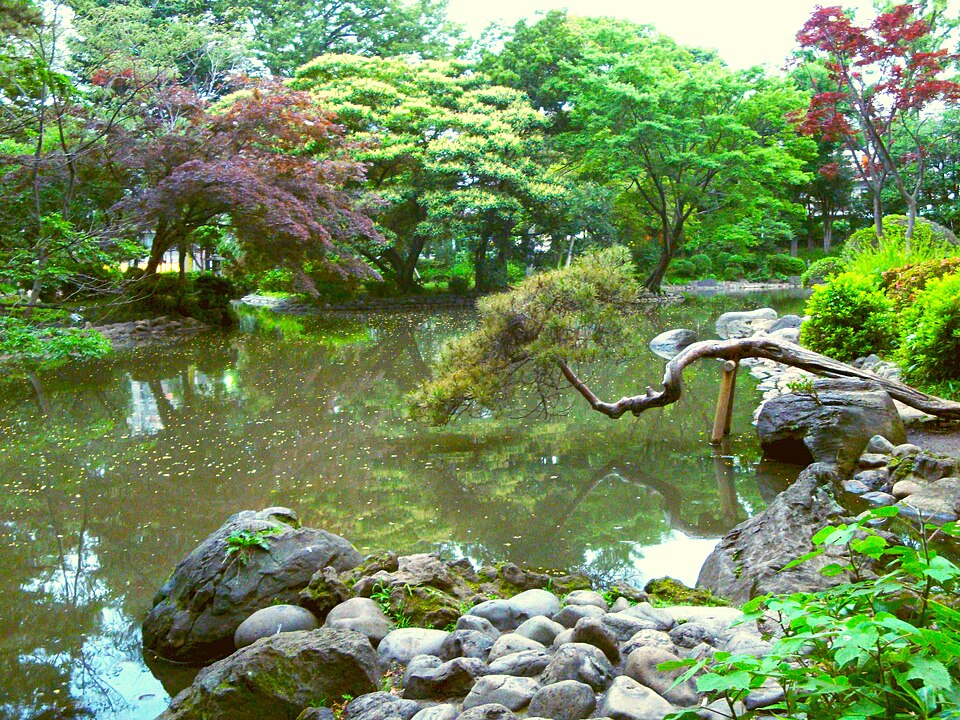
The Institute for Nature Study is a garden that serves as a natural monument and a National Historic Site of Japan.
It was established in 1949.
The grounds have been occupied since prehistoric times.
Shell middens and Jōmon pottery from about 2500 years ago have been found on the site.
During the Heian period, the area functioned as farmland with rice paddies.
By the Muromachi period, it contained fortified manor houses.
The place name "Shirokanedai" appears in written records from 1559 AD.
After the Edo Period Tokugawa shogunate, it was initially part of the holdings of Zōjō-ji, an important Buddhist temple.
In 1664, it became part of the estate of Matsudaira Yorishige.
Some of the oldest pine trees are thought to have been part of a Japanese garden in a villa on the estate.
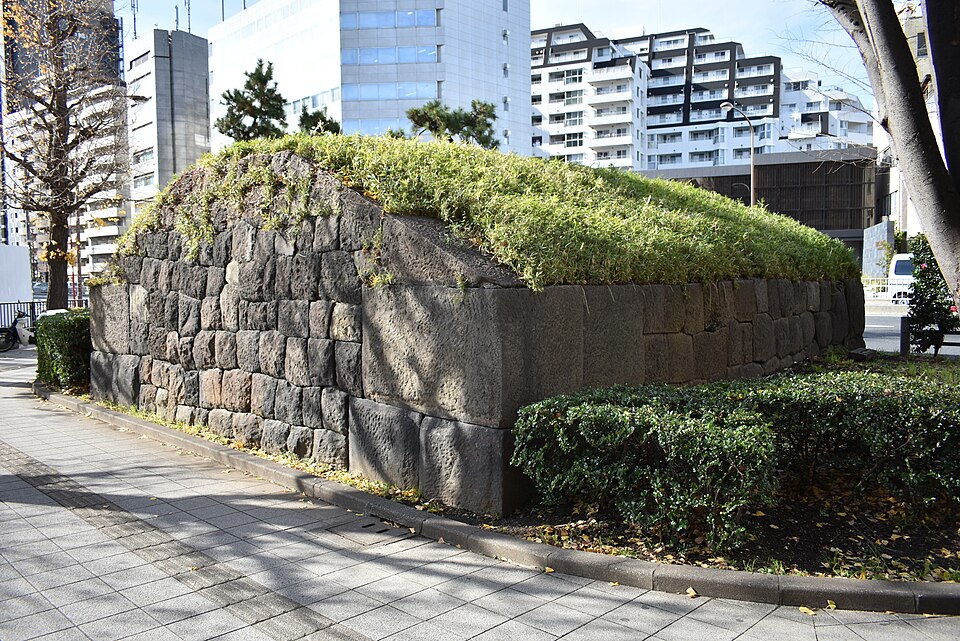
Following the Meiji restoration, the site was used as a gunpowder magazine by the Navy Ministry and Army Ministry.
It was renamed the "Shirokane Imperial Estate" in 1917.
During World War II, fields were planted and air raid shelters were dug in the grounds.
After the surrender of Japan, it was opened to the public as a national natural-education park.
In 1962, it was designated as part of the National Museum of Nature and Science.
The garden is home to more than 200 species of plants.