Mukōjima-Hyakkaen Garden
向島百花園
Advendus estimate 15–30 min
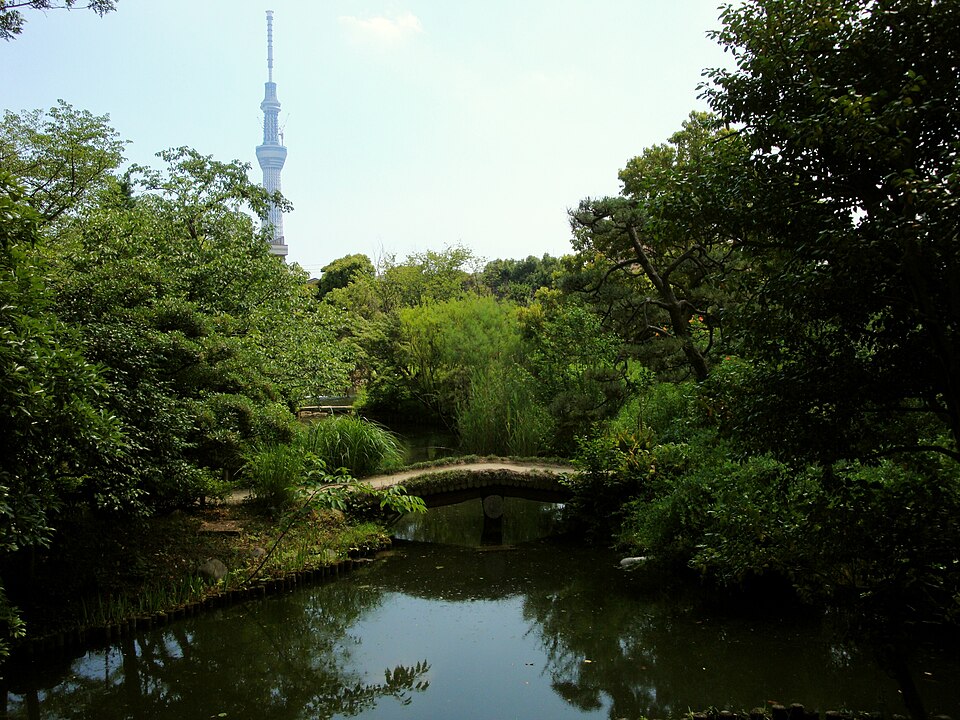
Mukōjima-Hyakkaen Garden is a historic urban garden located in Sumida Ward, Tokyo.
It is the only surviving flower garden from the Edo period.
The name Hyakkaen signifies a garden with a hundred flowers blooming throughout the four seasons.
Sahara Kikū purchased the site in 1804 and planted 360 ume trees.
Initially called the Shin-Umeyashiki or the Hanayashiki, it was renamed the Hyakkaen in 1806.
Sahara established a literary salon, and the garden included ponds, pathways, and various rustic buildings.
The site reflects the emergence of the bourgeoisie in Edo, with over thirty stone monuments erected.
After suffering extensive damage during the Great Sumida River Flood of 1910, it was donated to Tokyo City in 1938.
The garden officially opened to the general public in 1939.
It burned down in the Great Tokyo Air Raid in 1945 but was restored in 1949.
Mukōjima-Hyakkaen Garden was designated as a National Place of Scenic Beauty and a National Historic Site in 1978.